
2029 reaccreditation process begins with self-study
April 07, 2026
The first phase of the university’s upcoming reaccreditation process is underway, with the naming of a steering committee and an invitation to the community to provide input.
April 07, 2026
The first phase of the university’s upcoming reaccreditation process is underway, with the naming of a steering committee and an invitation to the community to provide input.
April 06, 2026
A new study finds that the global shift to electric vehicles could significantly reduce energy use and carbon emissions, but only if governments act aggressively to lower costs and align policies across regions.
April 06, 2026
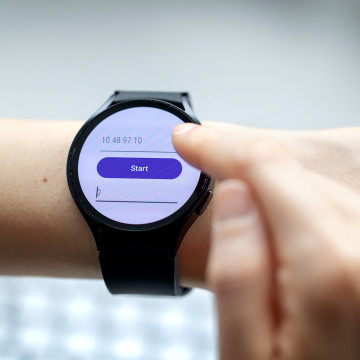
WatchHand, a wearable tech device developed by Cornell Bowers and Korean researchers, equips off-the-shelf smartwatches with AI-powered micro sonar capable of tracking hand movements.
April 03, 2026
While gene drives have great potential for controlling weeds, seed banks can foil their efforts.
April 02, 2026
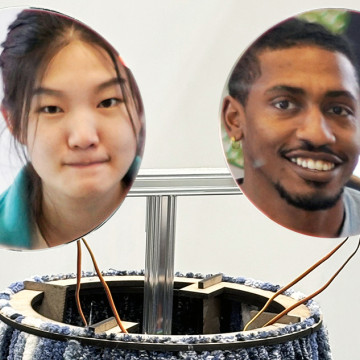
Cornell researchers developed a dual mirror-equipped robot, MirrorBot, that spurred conversations, playful exchanges and other interactions between strangers sparked by initial eye contact made in the mirrors.
April 02, 2026
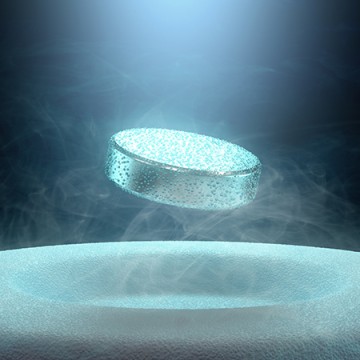
A new study shows how tiny changes in atomic structure can strongly influence whether a material becomes superconducting.
March 31, 2026
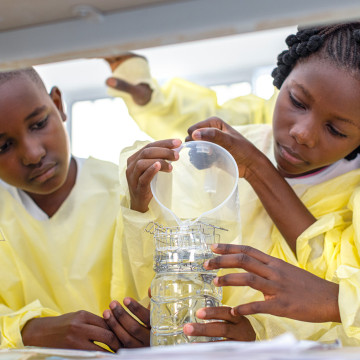
Doctoral student Cátia Dombaxe is bringing badly needed practical science education to impoverished areas of Angola through the STEAMpact Foundation, a nonprofit she founded in 2024.
March 30, 2026
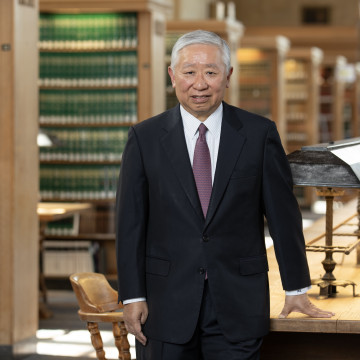
The Zhu Family Graduate Fellowships for doctoral students in the humanities support three students per year and allow them to focus fully on their research.
March 30, 2026
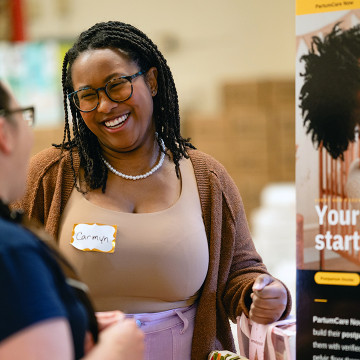
The fair, organized by a master’s student and her partner, distributed $62,000 in free supplies to 180 local families.
March 24, 2026
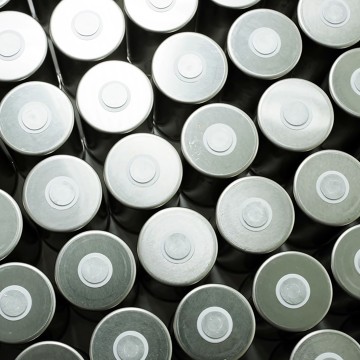
Cornell researchers have developed a non-precious-metal catalyst that represents a major step toward alkaline fuel cells that use inexpensive commodity metals, such as nickel and cobalt, in several energy applications.
March 23, 2026
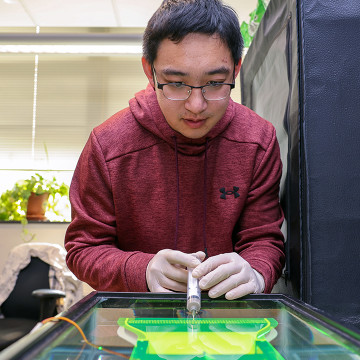
Researchers have developed a bio-inspired approach to mixing heat and molecules in fluids – findings that could inform future biomedical devices, heat exchangers and soft robotics.

March 23, 2026
Cornell researchers have observed a quantum property of the material for the first time, an advance that could expand its technological reach.

March 19, 2026
Gilles Brassard, Ph.D. ’79, has received the 2025 A.M. Turing Award from the Association for Computing Machinery, jointly with Charles Bennett, for founding the field of quantum information science.
March 18, 2026
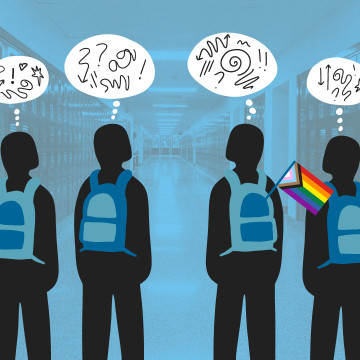
For teens transitioning to high school – an anxious time for many – inclusive environments may benefit not only those identifying as LGBTQ but majority-group peers.
March 18, 2026
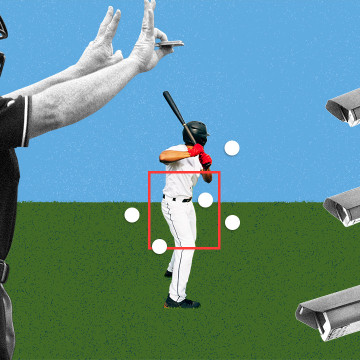
Major League Baseball is instituting a major change this season, and it has inspired Cornell researchers to study how stakeholders are integrating the Automated Ball-Strike System, or ABS, into baseball’s sacred gameplay.
March 17, 2026
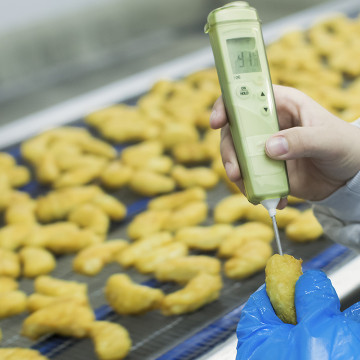
Cornell-led research argues that food safety regulations should set evidence-based targets for food that is sufficiently safe rather than aiming for zero risk, which is neither achievable nor desirable.
March 16, 2026
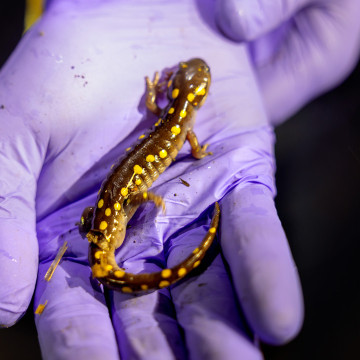
Led by two Cornell graduate students, more than 300 volunteers are heading out into the rain on warm spring nights to help migrating salamanders and frogs.

March 12, 2026
Soil and crop sciences alumna Jiameng Lai, Ph.D. '25, was selected as a winner of the SUNY Chancellor Distinguished Ph.D. Dissertation Award.

March 11, 2026
Cornell Tech researchers found that writers who used biased AI auto-suggestions saw their views gravitate toward the AI’s positions without their realizing it — even when they were made aware of the biased AI.
March 04, 2026
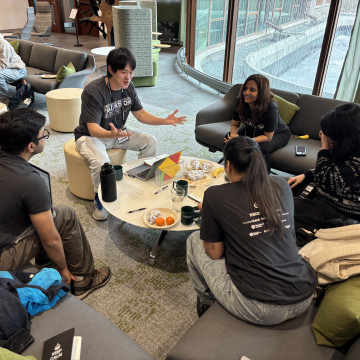
The Digital Ag hackathon, sponsored by the Cornell Institute for Digital Agriculture and powered by Entrepreneurship at Cornell, brought 116 students to Atkinson Hall for the weekend of Feb. 27-March 1.

March 03, 2026
A well-placed step can turn a high hurdle into an easier jump. The same idea applies to how nanoparticles transition into crystals, according to new research from the Cornell Duffield College of Engineering.
March 02, 2026
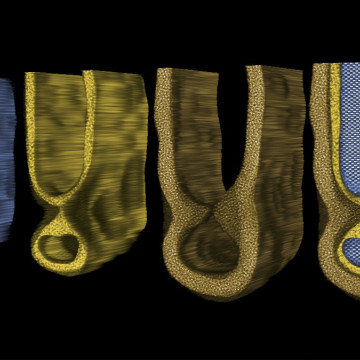
A Cornell-led collaboration used high-resolution 3D imaging to detect, for the first time, the atomic-scale defects in computer chips that can sabotage their performance.
March 02, 2026
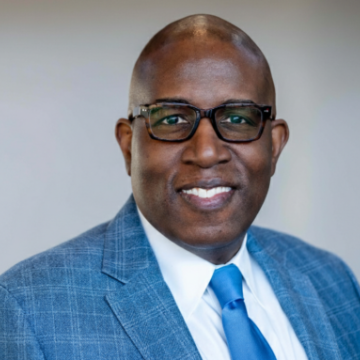
Ozias A. Moore, Ph.D. ’16, will return to Cornell on March 17 to give the Bouchet Society Lecture, “Building Access, Strengthening Evidence and Advancing Impact for Research and Practice.”
February 25, 2026
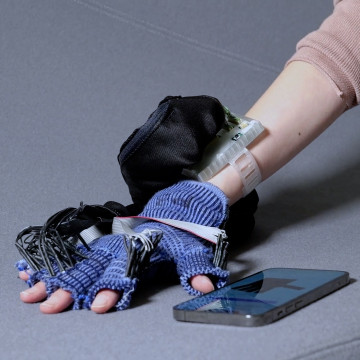
EdemaFlex, a new glove with more than three dozen actuators across all five fingers and the palm, developed by Cornell researchers, aims to reduce swelling for people suffering from edema.
February 24, 2026
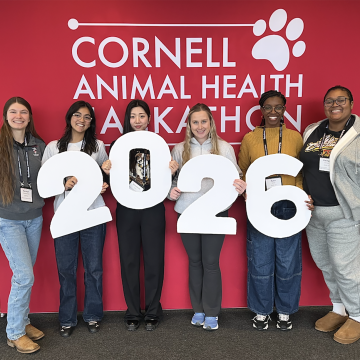
Products to fight ear infections in dogs, a parasite in cattle and animal population control challenges won top honors at the Feb. 20-22 Animal Health Hackathon at the College of Veterinary Medicine.